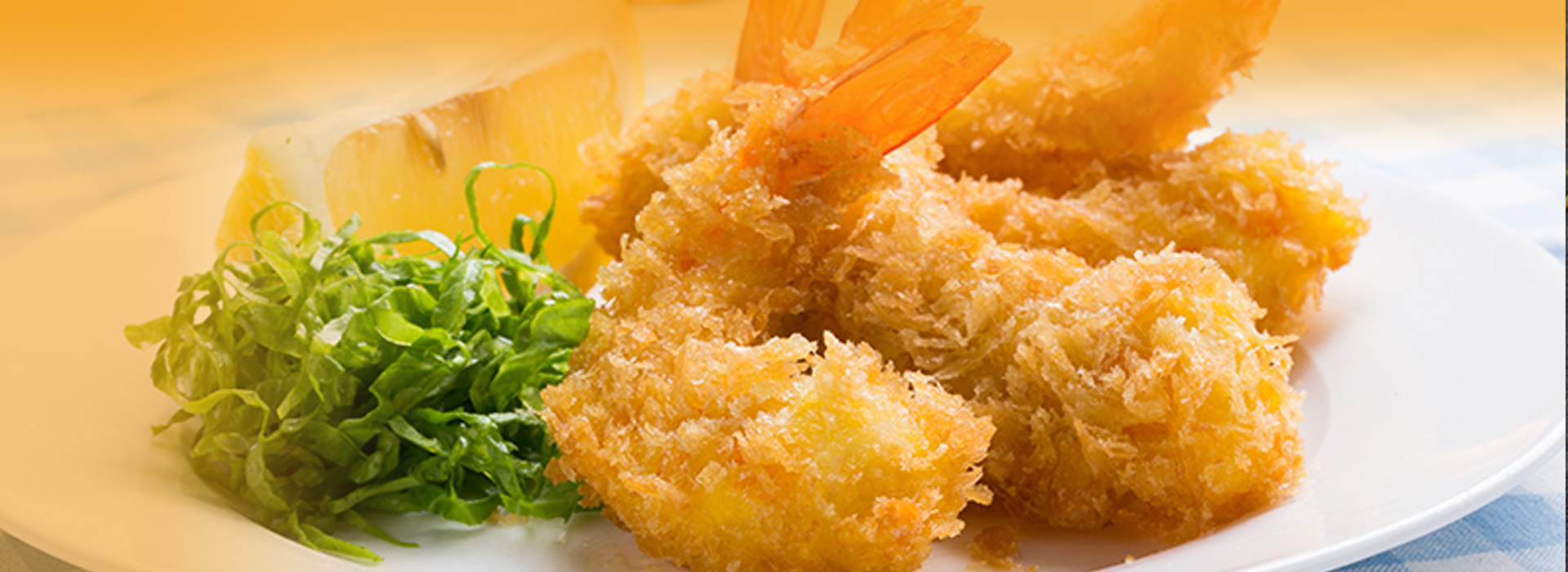
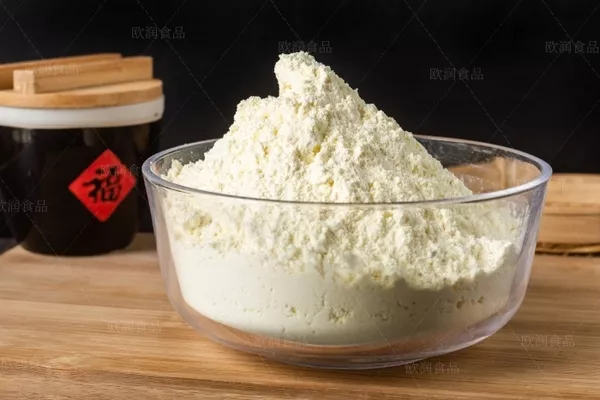
Improved texture: The fermentation process makes the breadcrumbs softer and fluffier, making them lighter in texture. Whether used for coating fried foods or added to meat patties or meatballs, the final product tastes better.
Easy to digest: Fermentation partially breaks down large molecules like starch in bread, converting them into smaller molecules that are easier for the human body to digest and absorb. For those with weaker digestion, eating foods containing fermented breadcrumbs is relatively easier to digest.
Enhancing flavor: During fermentation, unique flavor compounds are produced, giving breadcrumbs a richer aroma and adding a distinctive taste to food, enhancing its overall quality and appeal.
Extended shelf life: The acidic environment created by fermentation is unfavorable for the growth and reproduction of harmful microorganisms, but can inhibit the growth of bacteria, mold, and other microorganisms to some extent, thereby extending the shelf life of breadcrumbs and foods made from them.
More nutritious: During fermentation, microorganisms synthesize B vitamins and other nutrients, increasing the nutritional value of breadcrumbs. At the same time, fermentation may also improve the bioavailability of certain minerals.